
The Health Ministries of the Adventist Church in Malaysia successfully conducted the Fundamentals of Nutrition and Exercise Certification Program and the Culinary Medicine Introductory Workshop, an in-depth training project to equip Health Directors, Medical Missionary Volunteers (MMVs), Health Leaders, and future health ministry leaders with evidence-based health education and practical lifestyle intervention skills.
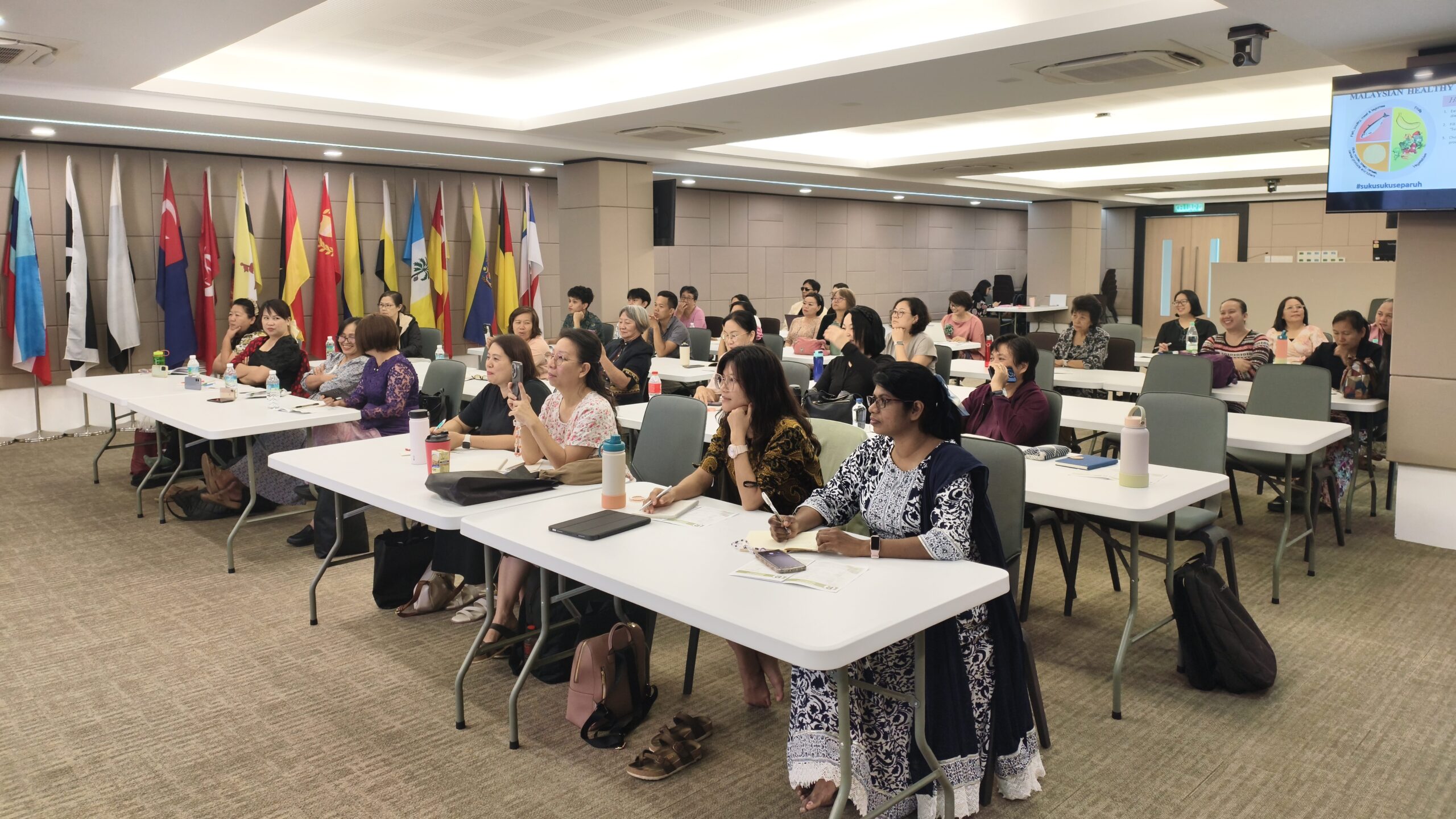
The certification program began with 4 full-day online seminars from May to June 4, attended by about 50 participants from across the territory. The comprehensive coursework covers major areas such as nutrition science, exercise science, anatomy and physiology, and the practical application of exercise. Those who complete the program requirements are certified by Adventist University of the Philippines, further equipping local health ministry leaders to promote holistic health in their churches and communities.
The training culminated in the Culinary Medicine Introductory Workshop, held at the Malaysia Union Mission Headquarters in Seremban from 19 – 21 June. A total of 28 participants came together for the 3-day workshop, themed, ‘Where food meets Science.’
The workshop was presented by renowned advocates of lifestyle medicine, Dr. Mechelle Acero Palma, President of the Philippine College of Lifestyle Medicine and Founder of Culinary Medicine Asia, and Dr. Gladys Reyes-Laborde, Dean of Graduate Studies at the Adventist University of the Philippines. Culinary medicine evidence, biblical perspectives on nutrition, gut health, food serving principles, and dietary approaches for chronic diseases were some of the topics covered, all through lectures, discussions, and practical demonstrations.
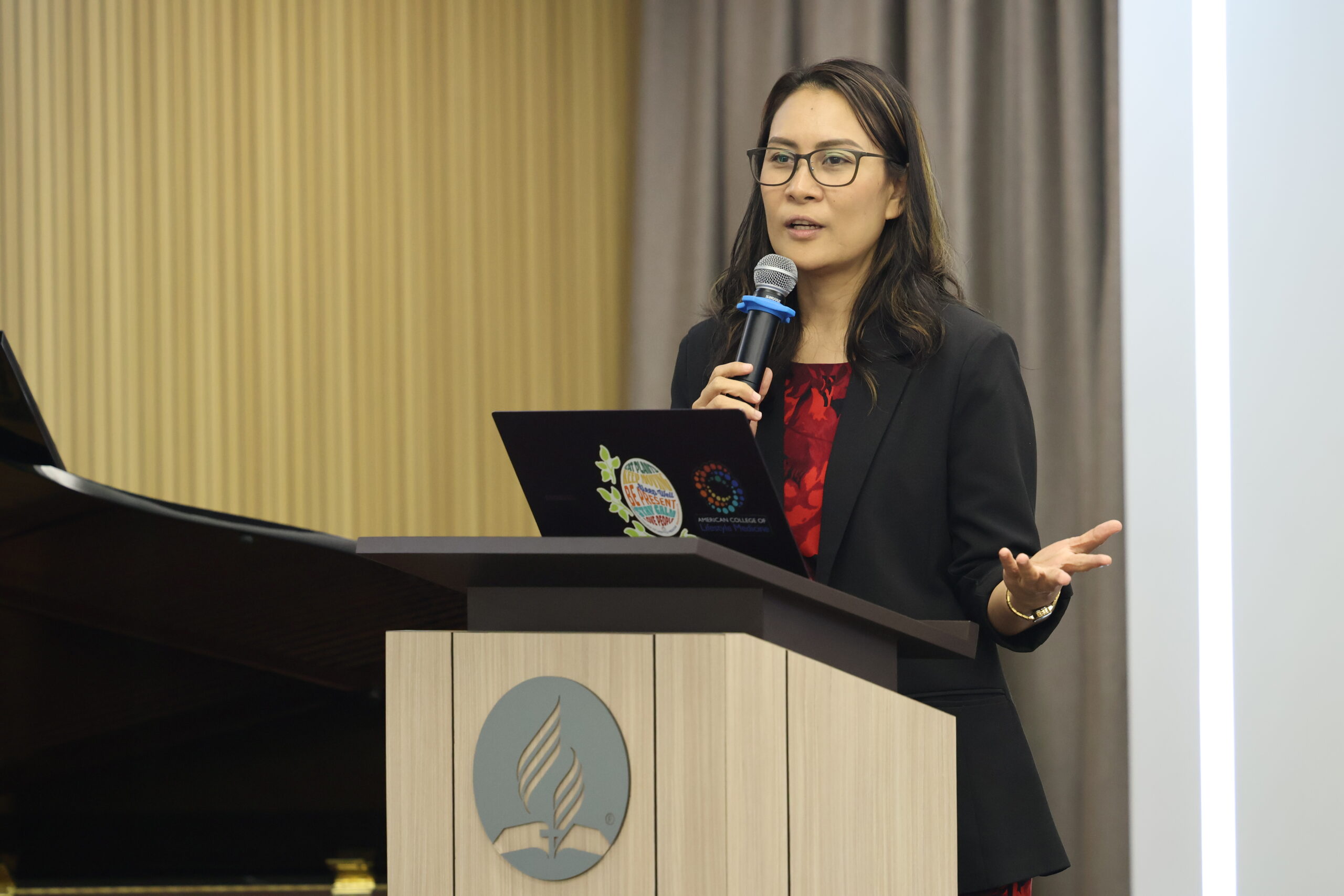
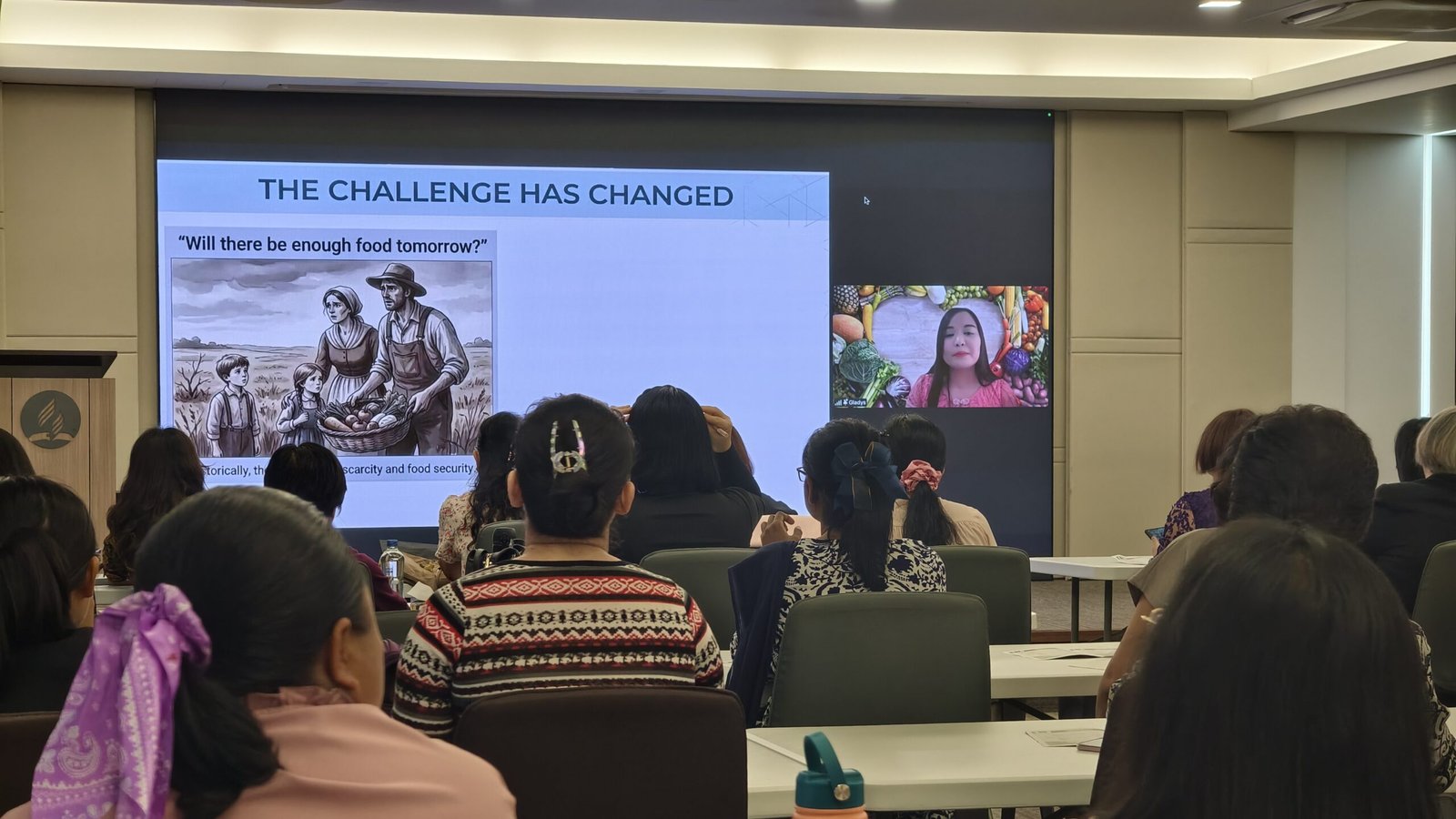
One of Dr. Laborde’s lectures, well-received by attendees, focused on the link between faith and nutrition. On the subject, she said, “God cares about what we eat. His focus is not just about calories, diets, and dietary rules.” It is a reflection of His greater love for us and His mandate for us to be faithful stewards of our health,” she continued.
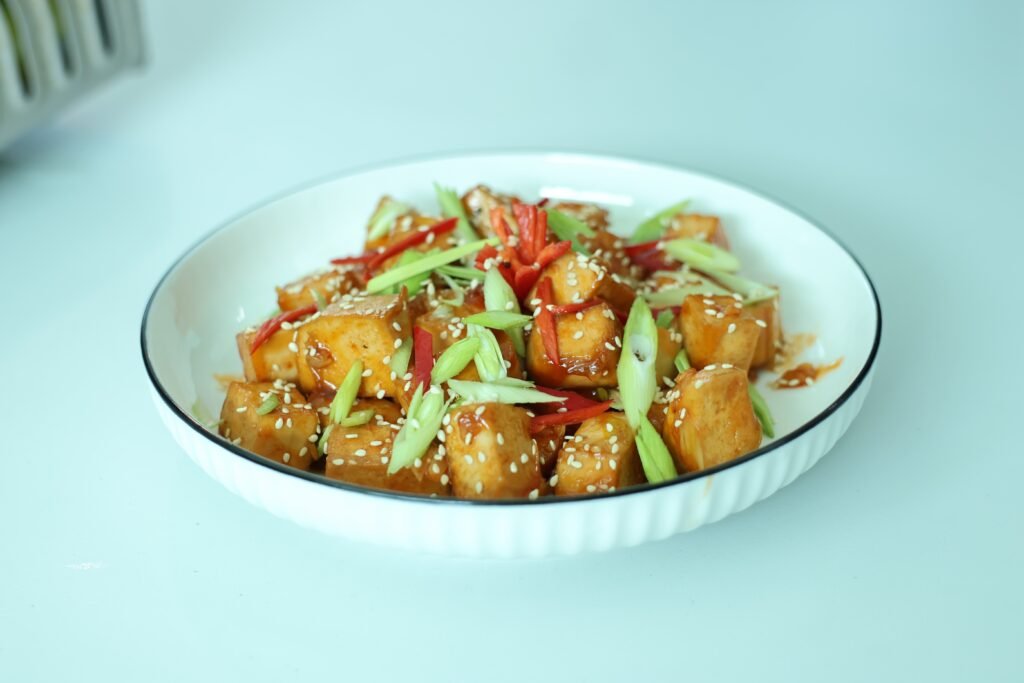
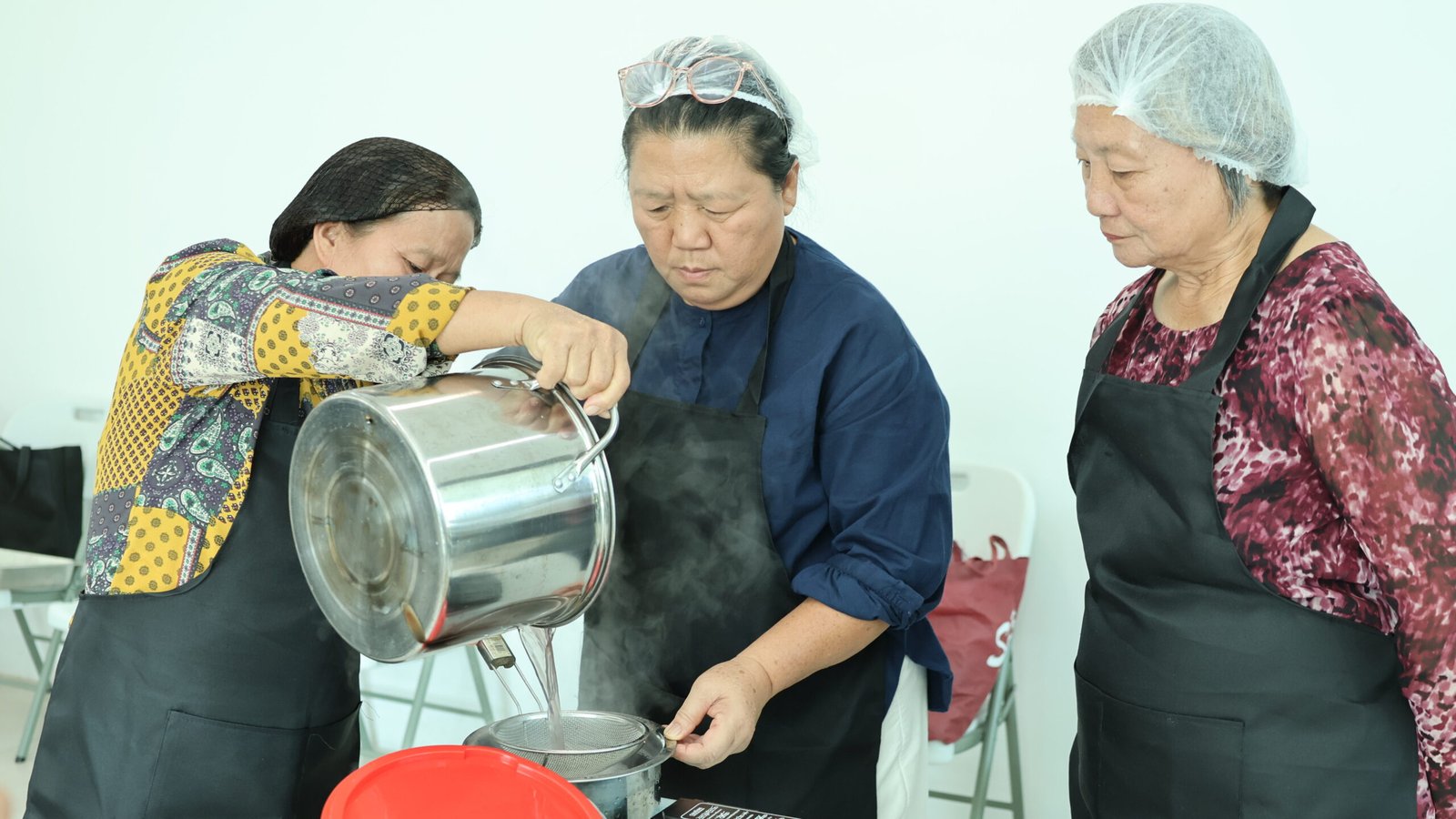
One activity that stood out was the MasterChef group project, in which participants were divided into five groups based on their major health issues: hypertension, cancer, diabetes, cardiovascular disease, and chronic renal disease. Each team had to create two therapeutic menus, each one tailored to their given ailment. In addition to creating the meals, participants were also asked to provide the nutritional analysis, cooking methods, disease-specific applications, and scientific reasoning for their menu choices.
The exercise provided an opportunity for the participants to use the ideas learnt during the certification program while displaying innovation in food preparation and presentation. Teams demonstrated a great deal of inventiveness, including recognising that therapeutic meals can be healthy and appetising. The menu was developed to promote healthy living choices and target specific disease conditions, featuring items such as Spicy Braised Tofu, Cookie Dough Balls, Mango Orange Parfait, Fruits and Cabbage Salad, Creamy Vegetable Soup, and Walnut Taco Meat & Beans.
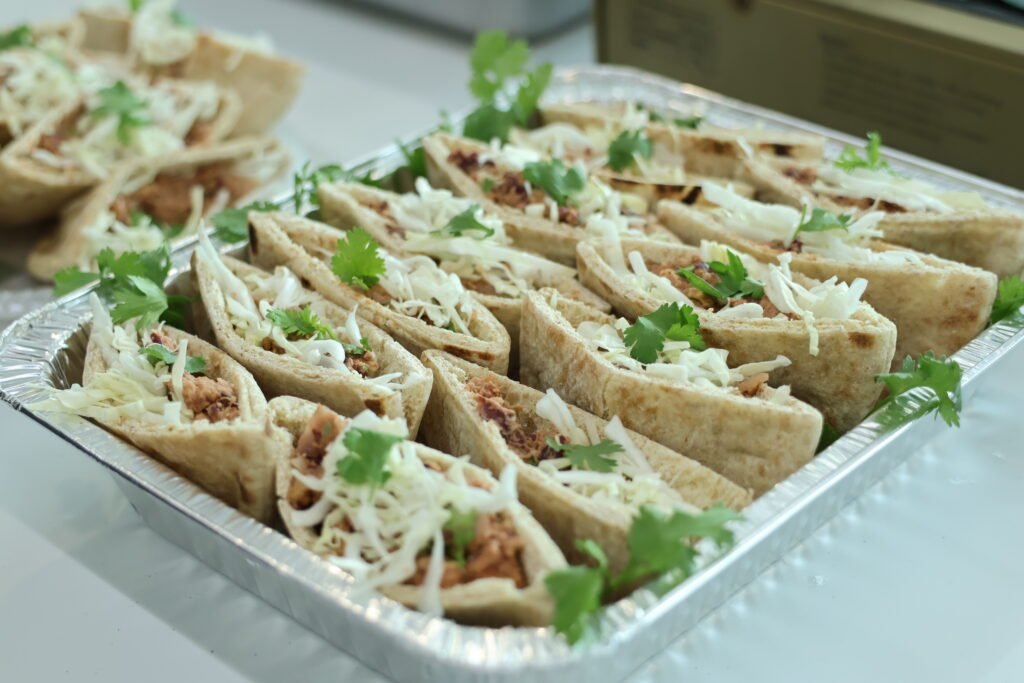
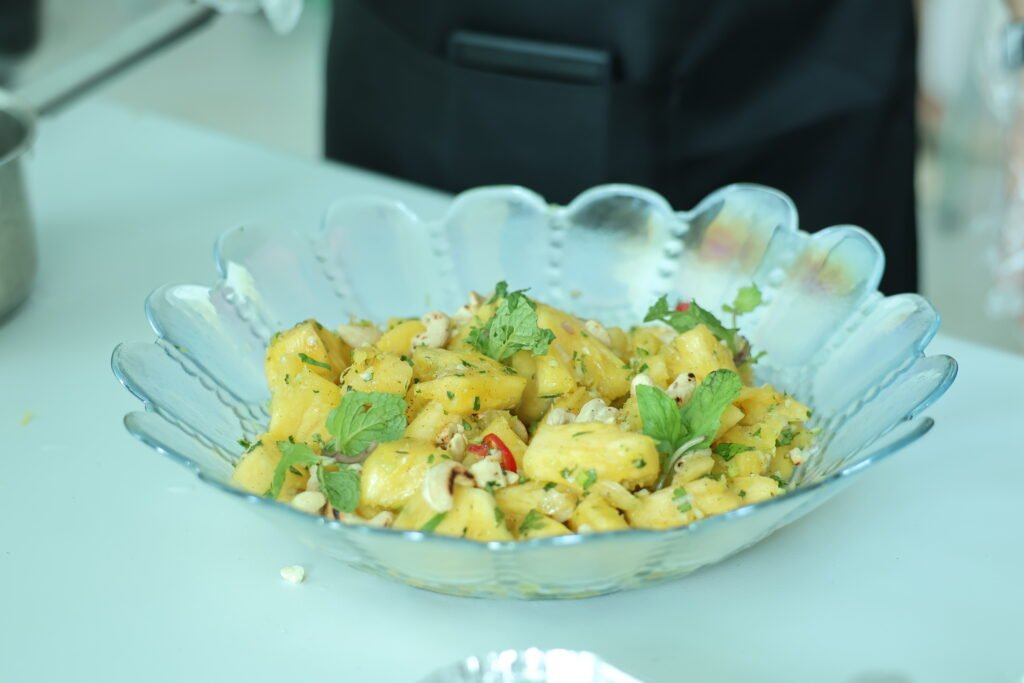
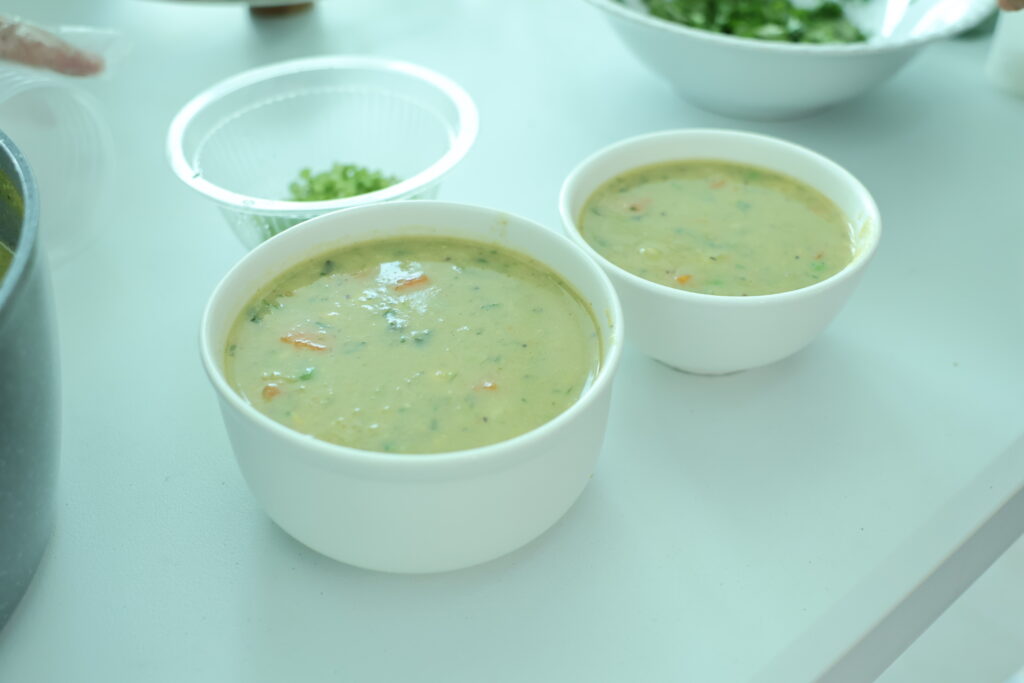

Furthermore, the hands-on nature of the training allowed many participants to better grasp illness prevention and management. “I’ve participated in many health programs abroad, but this workshop has given me a much better insight into disease prevention and management through nutrition,” said Jomilin Kijai from Kota Marudu. “The hands-on cooking sessions provided me with practical tools and recipes that I am eager to share with others, including friends who are facing health challenges.
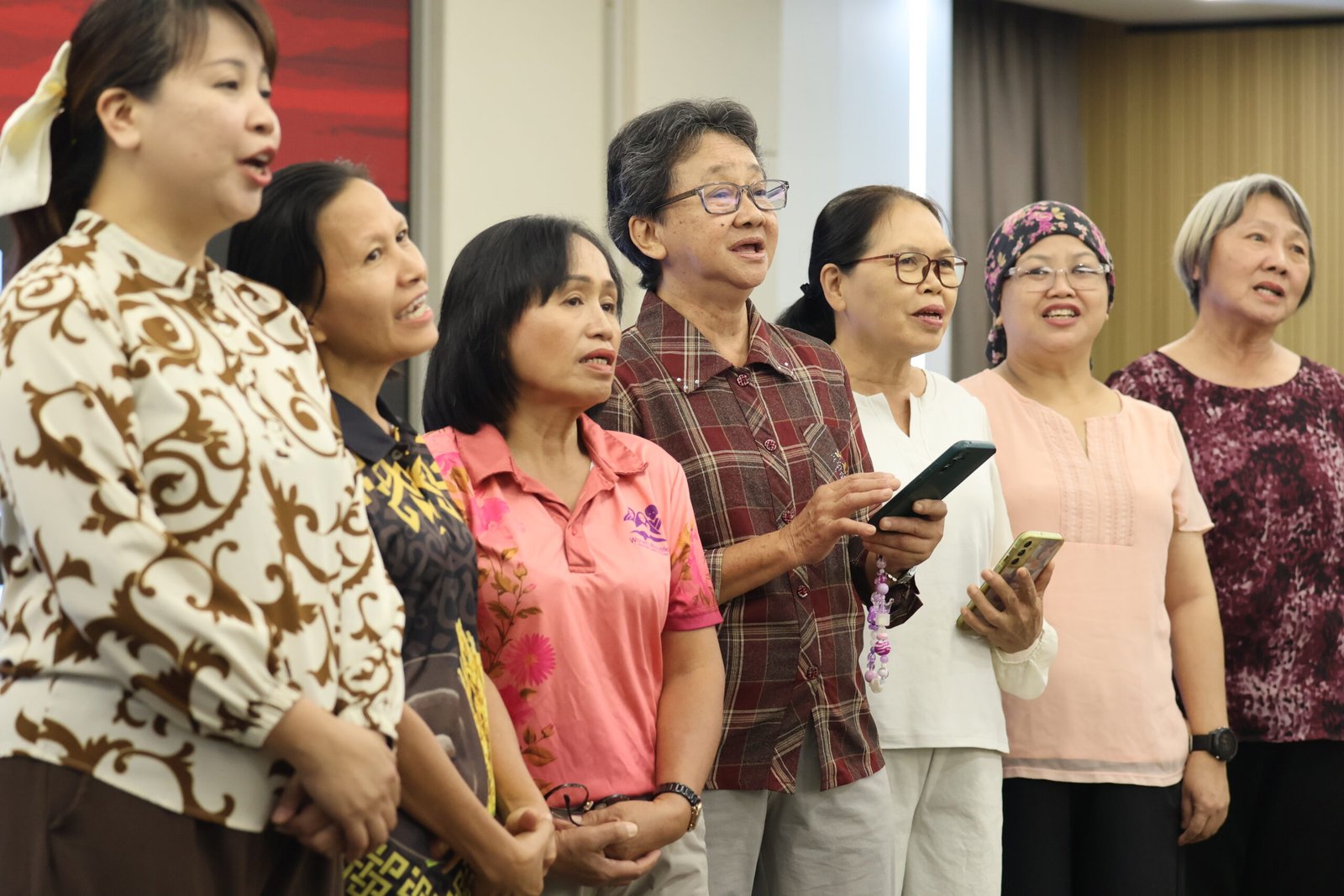
After thoroughly tasting and evaluating each dish, the facilitators selected the Cancer Team and the Hypertension Team as the top-performing groups, with both teams achieving an outstanding score of 94 percent. Their presentations demonstrated excellence in nutritional planning, scientific understanding, culinary execution, and the practical application of dietary principles for disease management.
Throughout the program, facilitators emphasised that food is far more than nourishment. It is a powerful tool for healing, prevention, and restoration. Thus, the event reinforced the Adventist health message and highlighted the vital role of lifestyle medicine in addressing the growing burden of non-communicable diseases within communities.
At the conclusion of the session, participants appreciated the practical information, expert instruction, and collaborative learning experience. “Every session was closely tied to daily lifestyle choices,” said Debbra Marcel. “I learned more about things like leaky gut, preloading, and balanced nutrition,” she said. “I hope to draw attention to these lessons and share them with my church and maybe make them a weekly health-sharing session.
Others found the training to be a useful resource for community outreach. Mimie Duasah from Labuan described culinary medicine as “an innovative and practical approach that provides us with a way to connect with communities through health and wellness.” Inspired by the training, she plans to strengthen her outreach initiatives by exploring the possibility of establishing a culinary medicine community in Labuan.
Equipped with new skills and resources, participants returned to their respective fields better prepared to advocate for health and wellness programs, implement community outreach projects, and support individuals in making informed lifestyle decisions. The successful completion of both the certification program and culinary medicine workshop marks another significant step in the church’s commitment to empowering health ministry leaders and advancing Christ’s ministry of healing throughout the region.
Reported by Hazel Wanda Ginajil-Gara, MAUM Communication & Charlene Gracie Den, MAUM Health Ministries
25, June 2026, Thursday.